

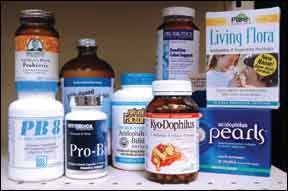
Probiotics are beneficial bacteria that live in the digestive tract. There are a variety of different species belonging to genera that include Lactobacillus, Bifidobacterium, Streptococcus, and Enterococcus (often abbreviated by first initial only in names). Some species, such as Lactobacillus, live primarily in the small intestine, while others, such as Bifidobactera, reside in the large intestine (colon).
The Benefits of Probiotics
All dogs can benefit from probiotics, which aid digestion and modulate the immune system. Probiotics produce short-chain fatty acids (SCFAs), which inhibit the growth and activity of harmful bacteria, such as E. coli, Salmonella, and Clostridium perfringens, as well as providing other benefits to the intestines. Human studies have documented the effectiveness of certain strains in treating diarrhea, irritable bowel, and intestinal inflammation (fewer studies have been conducted on dogs). Probiotics may help prevent urinary tract infections, and can even reduce allergic reactions by decreasing intestinal permeability and controlling inflammation.
Species with specific strains known to benefit dogs include Enterococcus faecium (strain SF68) and Bacillus coagulans. Bifidobacterium animalis (strain AHC7) has been shown to reduce the time for acute diarrhea to resolve in dogs. Certain strains of Lactobacillus acidophilus improve frequency and quality of stools in sensitive dogs. Lactobacillus rhamnosus strain GG (LGG) is effective in preventing and treating diarrhea in humans, and may benefit dogs as well. Probiotic products may contain one or several strains.
Cautions: Some probiotic species require refrigeration in order to remain viable; follow label recommendations for storage. It’s questionable how many survive passage through stomach acid into the digestive tract, and whether they then colonize or must be continually replenished.
Many products, particularly those that are not refrigerated, contain fewer live organisms than their labels claim. Freeze-dried probiotics may last longer than refrigerated or other powdered products, especially if the powder is exposed to moisture (such as when the container is opened and closed). Probiotics in commercial foods may not survive processing or storage. Probiotic products should always provide an expiration date.
Dosing Probiotics for Dogs
Probiotics are measured by colony forming units (CFUs). Few studies have been done to determine effective dosages, but these numbers are usually in the hundreds of millions or higher. If probiotics are being used to help with digestion, they should be taken with meals, but otherwise they may survive better if given between meals, particularly if taken with liquid that helps to dilute stomach acid and move them more quickly into the digestive tract (maybe give them after your dog takes a big drink). Probiotics may be given short-term or long-term.
When using products intended for dogs, follow label suggestions for dosage. When using human products, give the full dosage to dogs weighing 40 pounds or more. Reduce the dosage for smaller dogs or if you see loose stools.
Best Probiotics for Dogs:
Examples of canine probiotic formulas that include strains known to benefit dogs:
1. Thorne Research’s Bacillus CoagulansVet
2. Jarrow’s Pet Dophilus
3. Vetri-Science’s Vetri-Probiotic
4. Nusentia’s Probiotic Miracle
5. Purina’s Fortiflora
Several people whose dogs have serious digestive disorders, including small intestinal bacterial overgrowth (SIBO), have told us of success using Primal Defensewith homeostatic soil organisms, made by Garden of Life. Products made for humans can also be given to dogs. Yogurt and kefir with live cultures often contain lactobacillus acidophilus, and sometimes other species as well, but dosages are usually lower than those in supplements.
PROBIOTICS FOR DOGS: OVERVIEW
1. Give your dog a probiotic supplement that offers a variety of strains of beneficial bacteria.
2. Nourish those “good guy” bacteria with a prebiotic supplement.
3. Monitor your dog’s weight, the condition of his coat, his energy level, and the quality of his daily stool for signs that his diet needs to be adjusted in some way. What works well for some dogs may not benefit another dog in other circumstances.
Mary Straus is the owner of DogAware.com. Straus and her Norwich Terrier, Ella, live in the San Francisco Bay Area.



As my 30kg dog has Pancreatitus I feed 4 small meals a day.I use a packet probiotic which should be sprinkled on her food. Do I divide into 4 meals or give all in one meal? If it is the latter what time of day is it best to administer it please?
Jill, I’m sorry to hear that your dog is having problems. I wish I knew the answer to your question, but the truth is that so few studies have been done on probiotics that I think your guess is as good as anyone else’s. We simply do not know the answers, and they may differ depending on the supplement you’re using.
To start with, I’d follow the instructions on the packet. I think it may be better to give it all at once, since if there are too few CFUs (colony forming units), they may have no effect. CFUs should number in the billions, not millions, per dose.
I have no insight into what time of day might be best. You could try different times to see if you notice any difference.
If your dog is still in the recovery phase of acute pancreatitis, you may want to hold off on the probiotics until all symptoms are gone. See my article for more info:
http://dogaware.com/articles/wdjpancreatitis.html
Is it safe to give your dog two different probiotic formulas and alternate them every other day?
Yes, probiotics are not dangerous and alternating different formulas will not make them so.
I personally prefer using a very stable probiotic that’s formulated for dogs and does not need refrigeration but guarantees the live microorganisms. It’s called Probiotic Daily from Terry Naturally Animal Health. Plus it’s a chewable tablet, so super easy to administer and no mess.
It is great blog post. Helpful and Informative blog. I like it. Thanks for sharing these information with us.
My 10 yr old maltese rescue has a huge amount of red staining around her mouth and some on her paws. As well as down her chest from drooling. She has no teeth and even part of her lower jaw has disappeared. All due to severe infections. As well when she was found on the street she had severe gangrene in her front paw. The paw was hanging on by a thread and the vet removed the paw immediately. Today she is a happy little 4 pounder and runs like the wind on her 3 paws. Wondering if a probiotic might help to clear up the staining drool? I understand the drool will always be here just the staining would be great to get under control. Allergy testing where inconclusive.
Mary, you could try probiotics to see if they help with the staining — it’s possible, though unlikely, but it won’t cause any harm. The stains are likely caused by the growth of yeast and bacteria due to the area staying wet all the time. Treatment is topical, using wipes to clean and dry the area. Ingredients that kill yeast/bacteria may be helpful. This veterinary article covers the topic pretty well: https://leospetcare.com/a-veterinary-guide-to-tear-stains/